Web Report by Ryan van Zeeventer
We all turned up for the Archaeology weekend at Pilanesberg National Park, ready to write our Veld Management test from the previous module. Those who arrived early set up camp beforehand, with those arriving a little late setting up camp after the test.
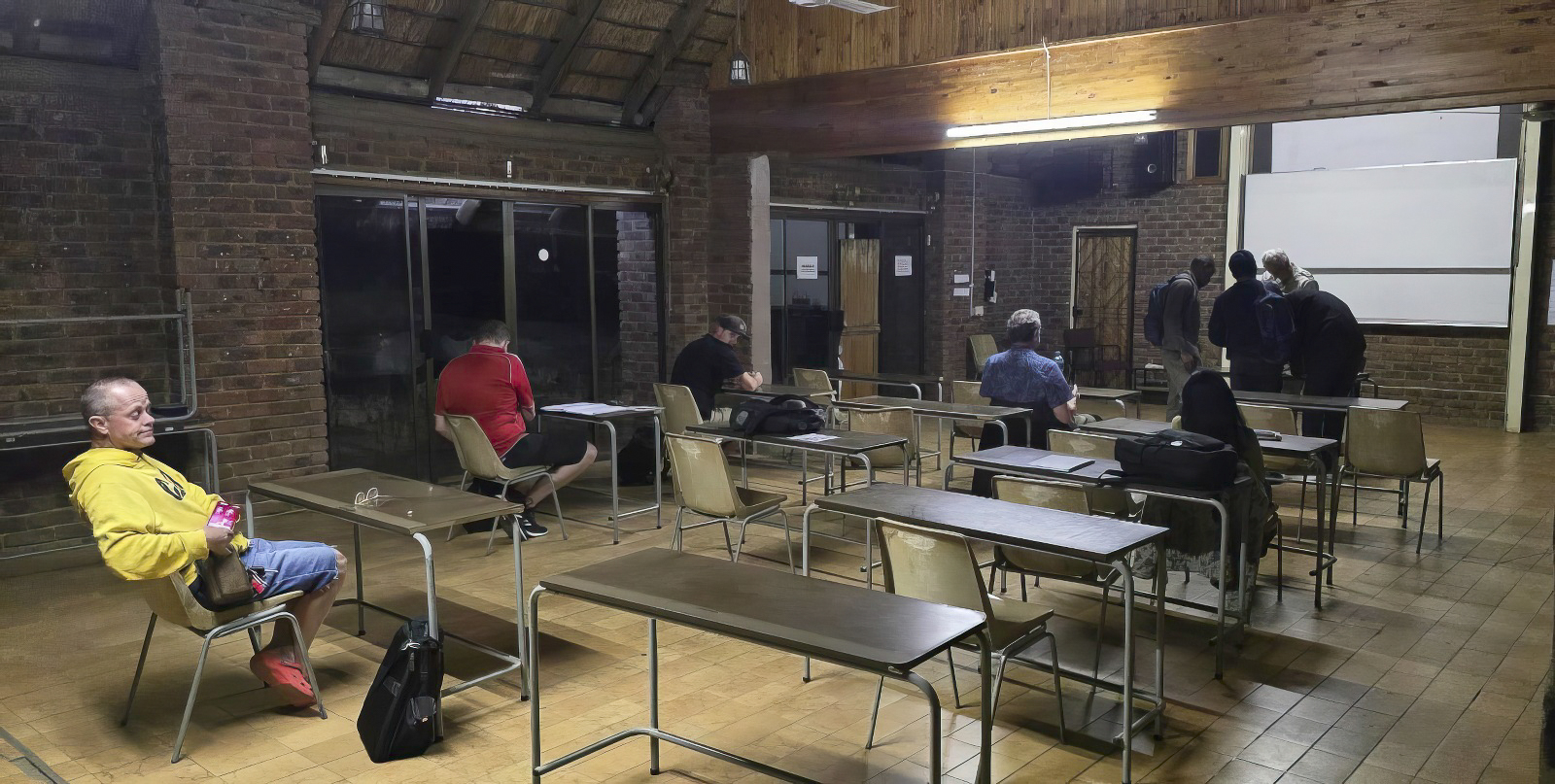
The real start of the weekend was on Saturday morning, with lectures by Francois Coetzee and Shaw Badenhorst, teaching us about archaeology, including its definition and the laws surrounding heritage sites in South Africa. We learnt about the methods used in archaeology and how humans evolved and migrated from Africa around the world.
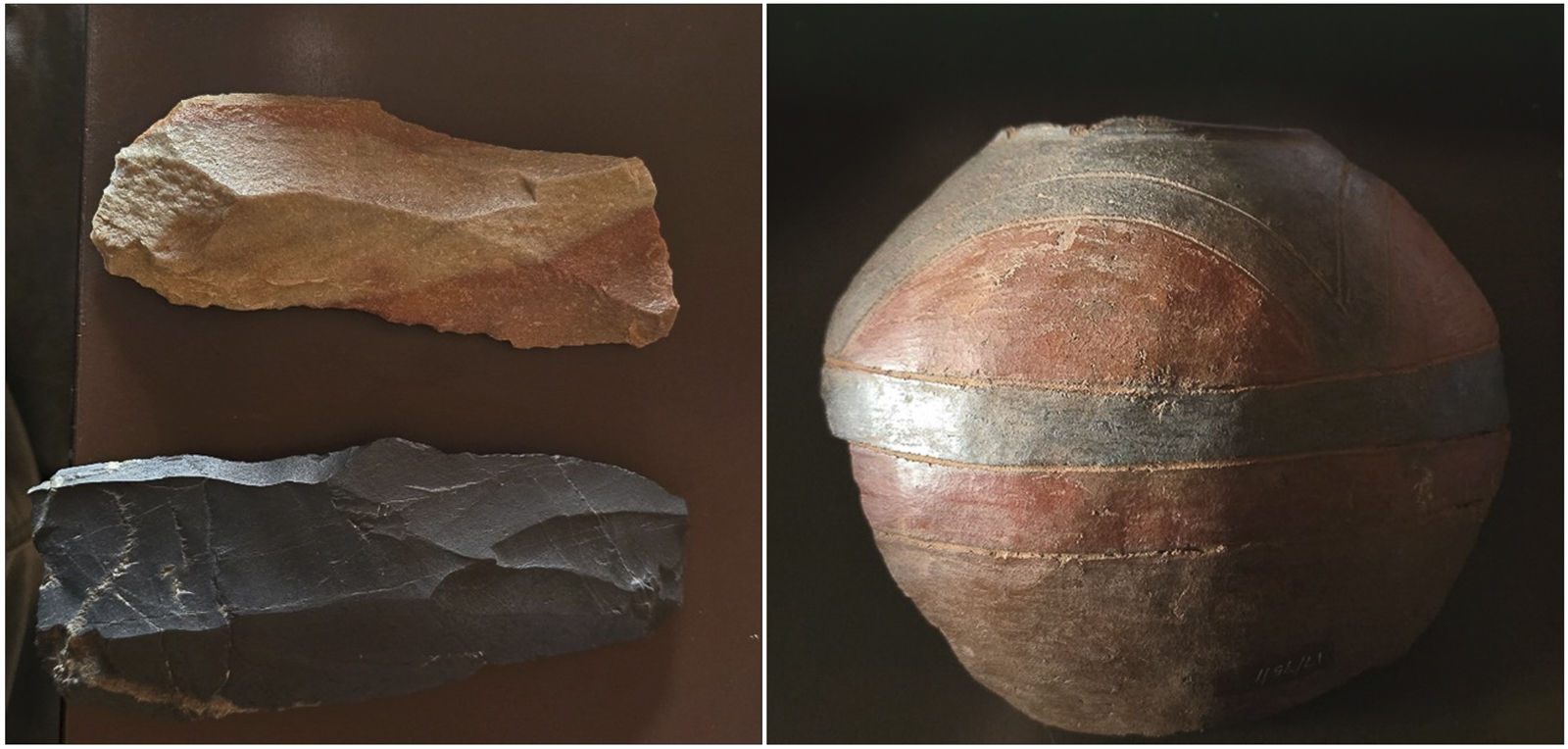
During this time, we were also introduced to the Stone Age and the Early and Late Iron Age in South Africa, and to different cultural artefacts that could be found during this time, including stone tools and pottery artefacts.
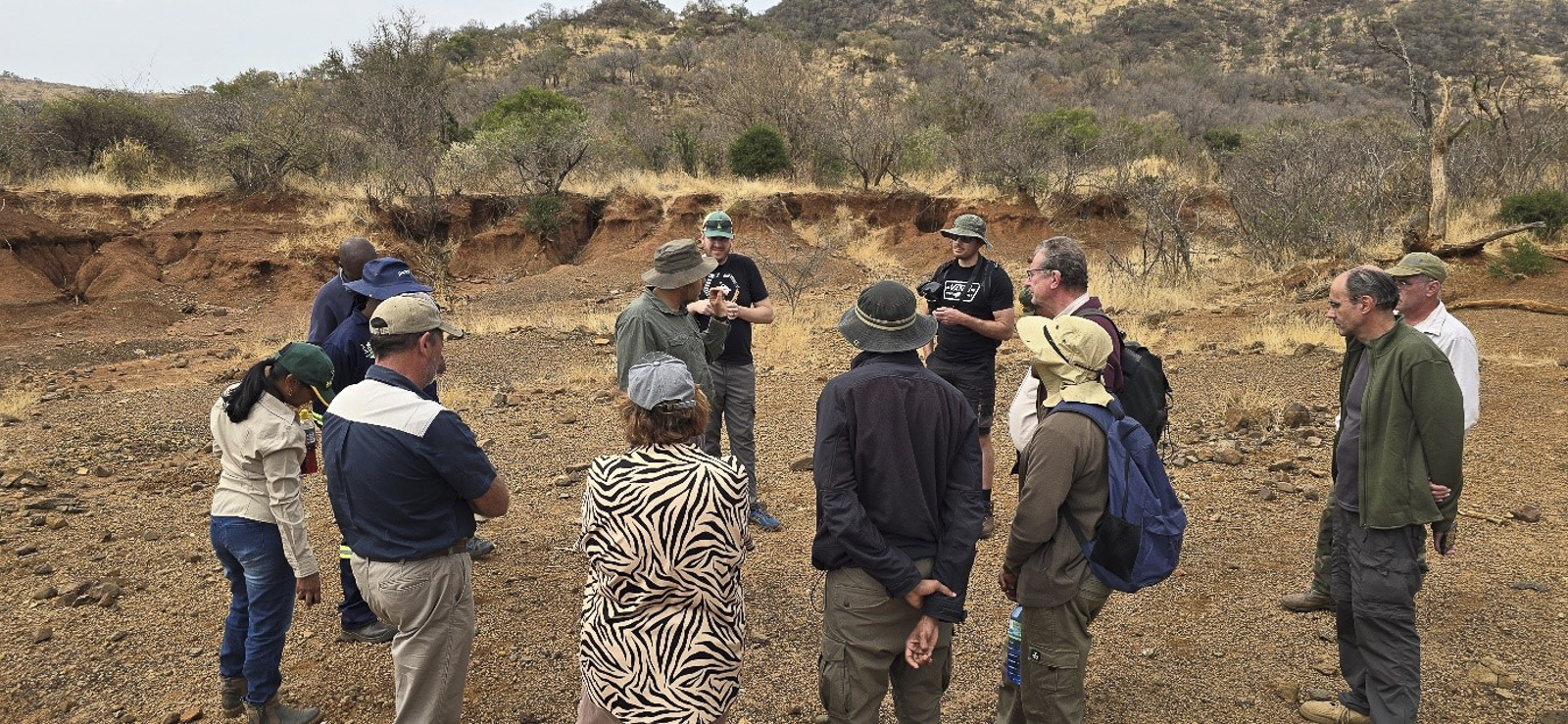
After lunch, we were joined by the rifle backup team, who provided us with excellent safety instructions for our visit to two late Iron Age sites belonging to the Tswana people of the BaKgatla. These two sites are known as the late Moloko phase, and settlements had stone walls to demarcate social areas.

At these sites, we were given demonstrations of why these areas may have been chosen to settle and how social organisations may have been constructed, with a cattle kraal usually at the center of the settlement.
The end of Saturday was closed off with a customary communal braai and a beer before everyone headed off for the night in preparation for the lectures and one more site visit on Sunday.
Sunday started with a lecture by Francois Coetzee, focusing on his research in the Pilanesberg area and the activities of the Sotho/Tswana people.
To close off the weekend, we visited an Iron Age site of the early Moloko phase, dating to approximately 1300 AD. The early Moloko phase settlements are harder to discover as there are no stone wall demarcations.
It was an incredible weekend, and a lot of history and knowledge of the Pilanesberg area was shared by two very knowledgeable experts in their fields.
Thank you to all those involved.