Web Report by Luyanda Nkosi
17 October 2025 – Arrival and Introduction; We arrived safely on Friday, 17 October, for the Bushveld Mosaic Wetlands Module. The atmosphere was lively as the group was excited, especially because this module did not require a written assessment.
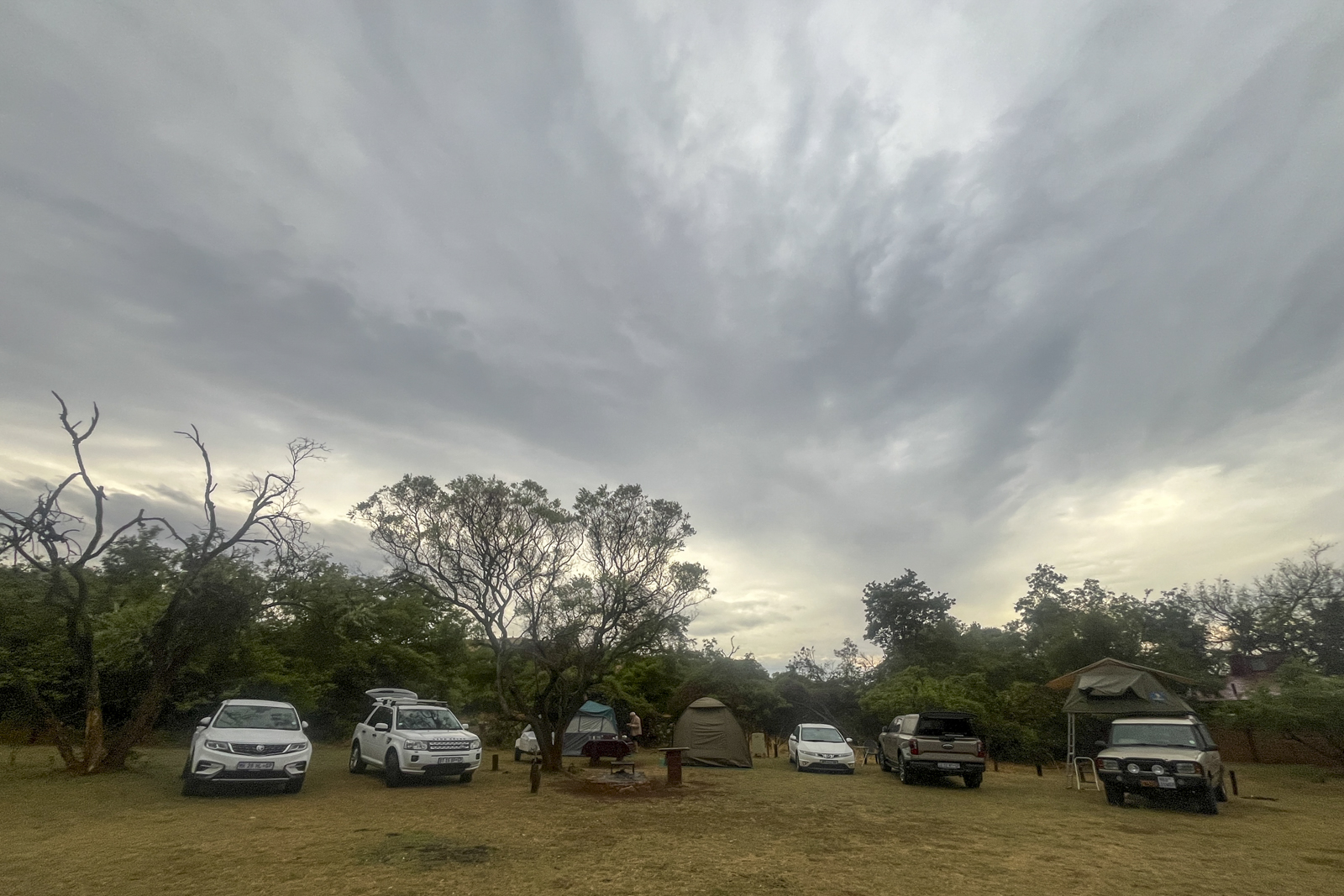
For many students, it was their first time visiting Kgaswane Nature Reserve, and the common sentiment was that the reserve was exceptionally well maintained and absolutely beautiful. The campsite also received positive remarks, with everyone settling in comfortably.
The Grassland Group was assigned fire duty for the evening. After dinner, students prepared themselves for the exciting wetlands weekend ahead.
18 October 2025 – Rainy Morning, Practical Activities, and Game Drive; Saturday morning began with rain, cloud cover, and light showers, so the group attended indoor lectures until the weather cleared.
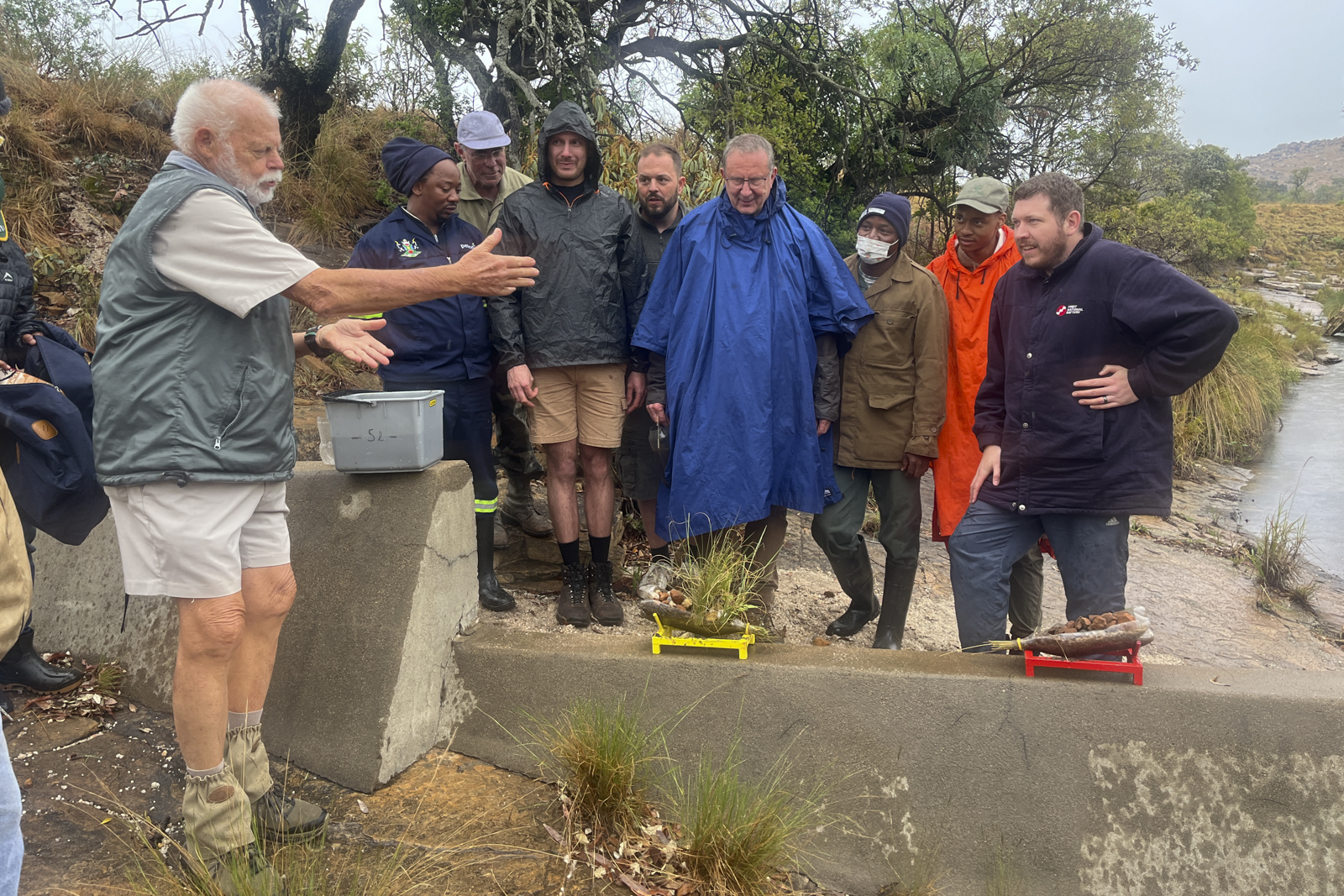
The Wetlands Module is known for its hands-on approach, with multiple field activities that the group always enjoys. Thanks to the rainy conditions, we were able to perform the water filtration exercise, which required building a model wetland environment.

Both groups found this task interactive, informative, and enjoyable.. Once the rain cleared, we proceeded with the outdoor practicals.
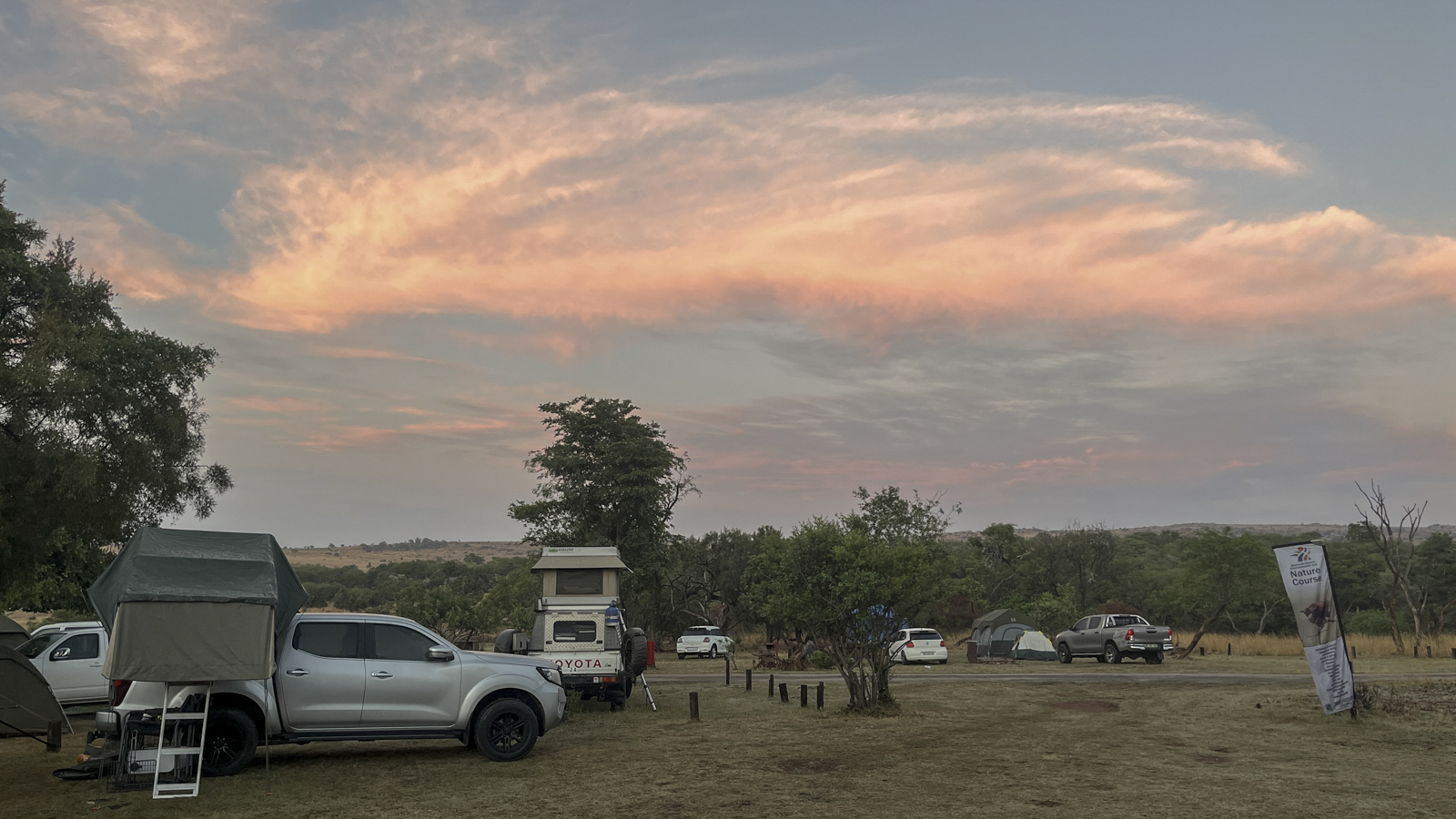
Later in the afternoon, Peter and Andre treated us to a “sundowner,” offering a relaxing break after the busy day.
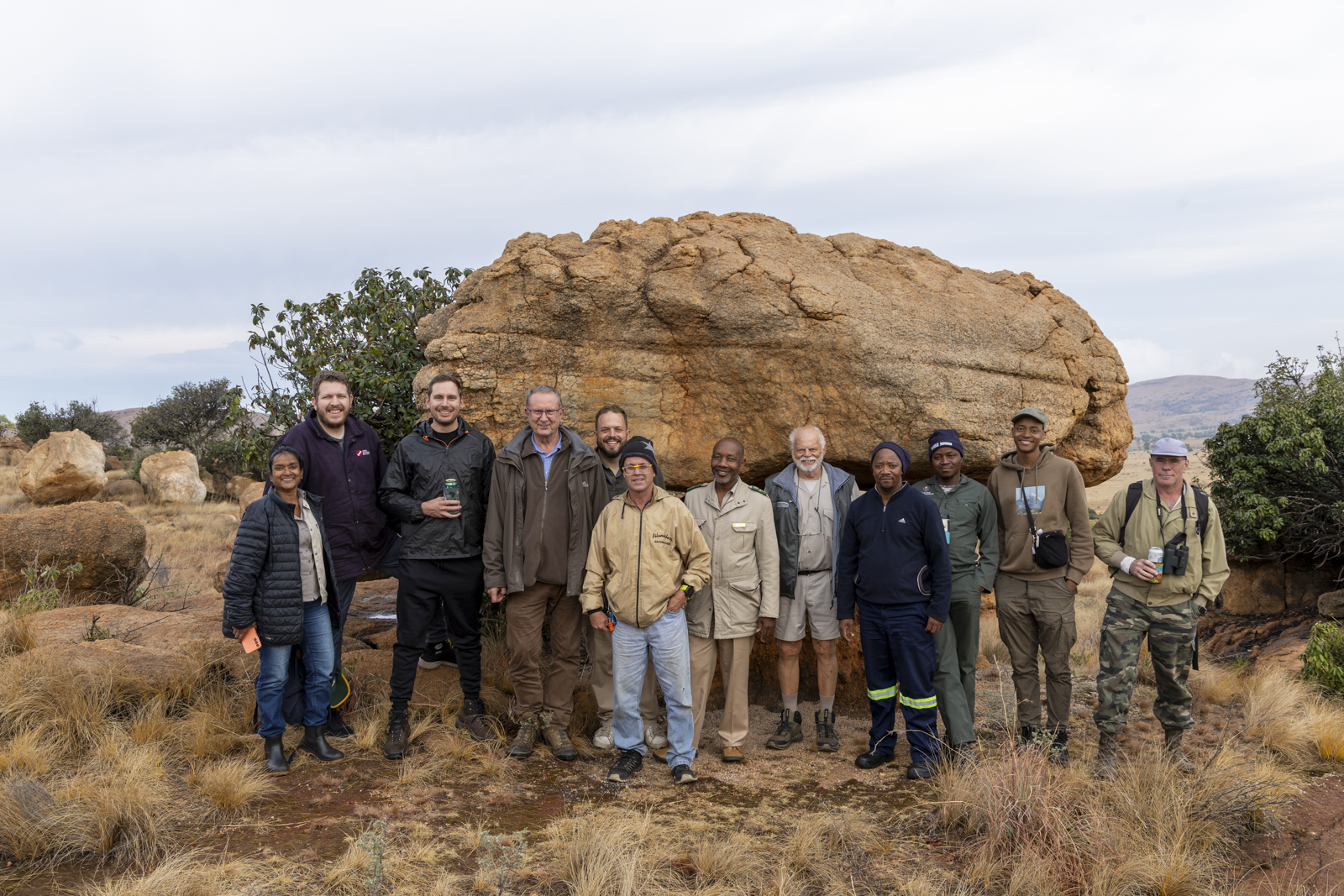
Thereafter, we returned to the campsite and went on a scenic game drive through the stunning Kgaswane Nature Reserve. We enjoyed wonderful sightings, including antelopes, including eland, warthogs and jackals, a refreshing variety compared to other reserves.
19 October 2025 – Clear Skies and Final Assessments. Sunday welcomed us with clear skies and fresh air, allowing us to complete all the practical’s postponed by Saturday’s rain.
After a short morning briefing, we planned the day and proceeded with our field tasks. The favorable weather allowed us to conduct water quality tests and a mini SASS assessment. A mini SASS Assessment is a scoring system of the water quality of a stream based on the presence or absence of various macro-invertebrate groups.
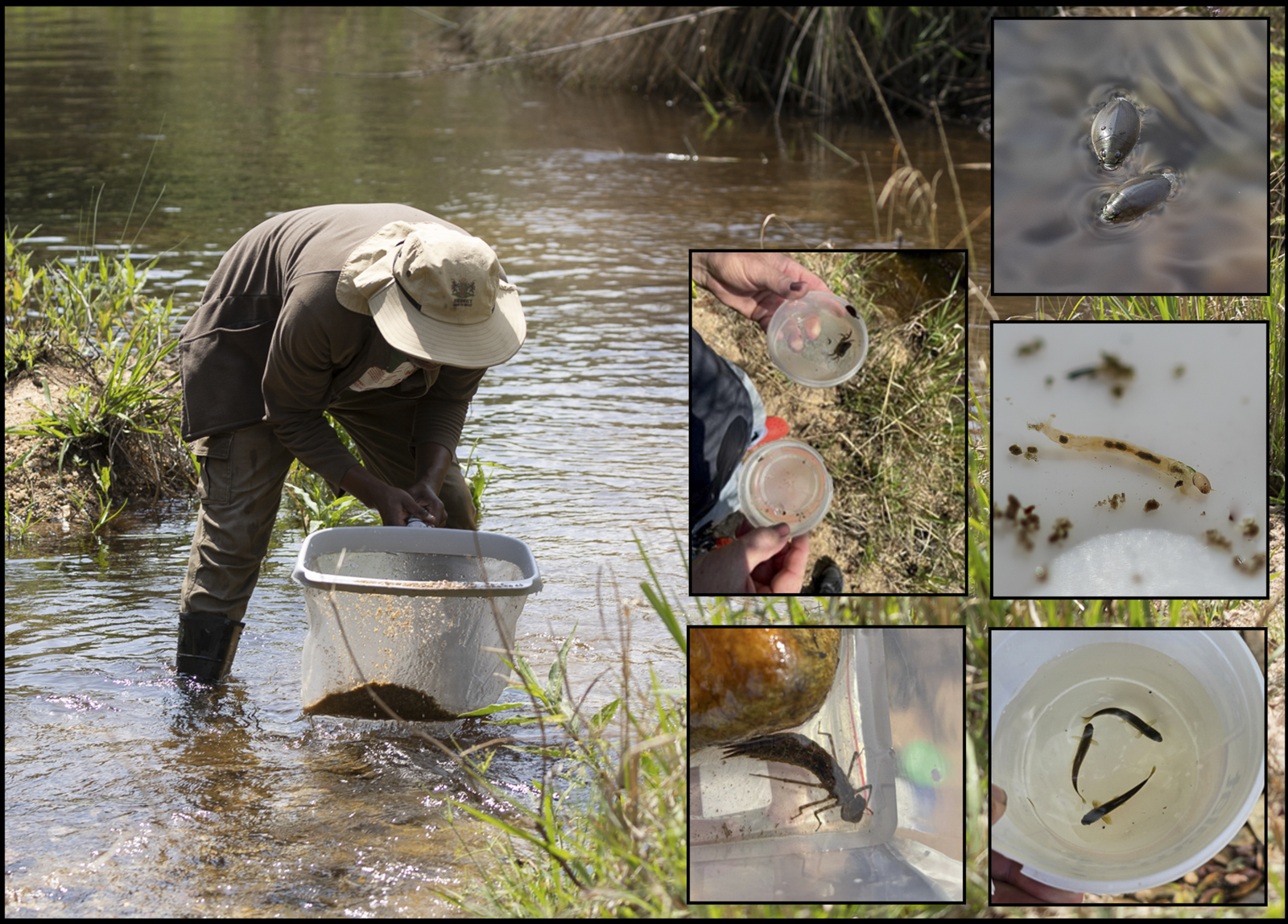
Surveying the river was an engaging and rewarding experience, revealing beautiful aspects of Kgaswane’s rivers and mountainous terrain.
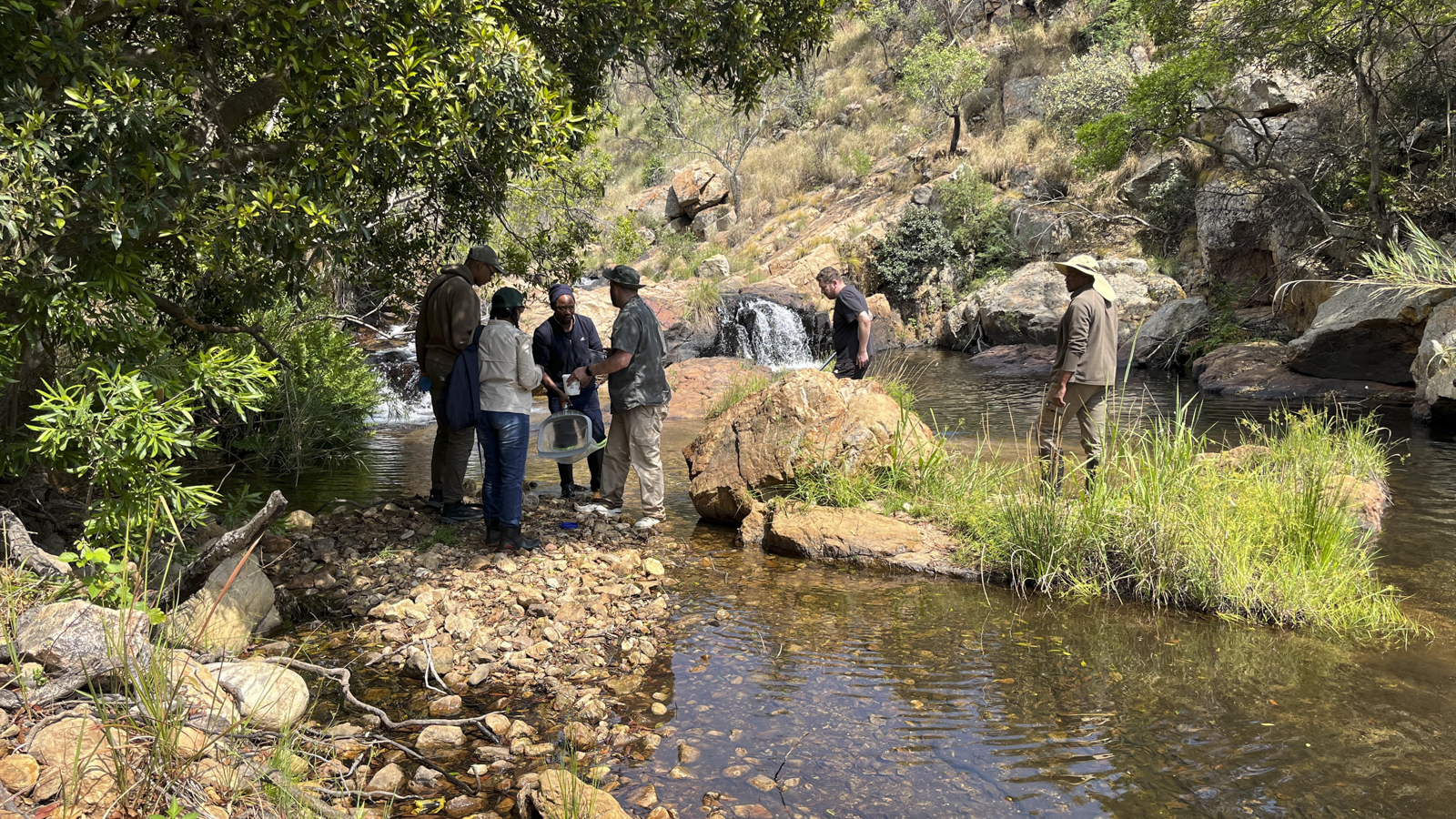
Once all fieldwork was completed, we returned to camp to write the open-book assessment, after which the group prepared for departure.
ED’s NOTE: Thanks Luyanda for this detailed report of the Catchments, Wetlands and Rivers weekend. Which was WET both literally and figuratively.