Web Report by Dianne Landman
The drive to Kgaswane was pleasant, as the N4 from Pretoria was not riddled with potholes, unlike my experiences on the roads to Pilanesberg and Borakalalo. Even more pleasant was the view of the recently installed Geology board at the entrance of Kgaswane.
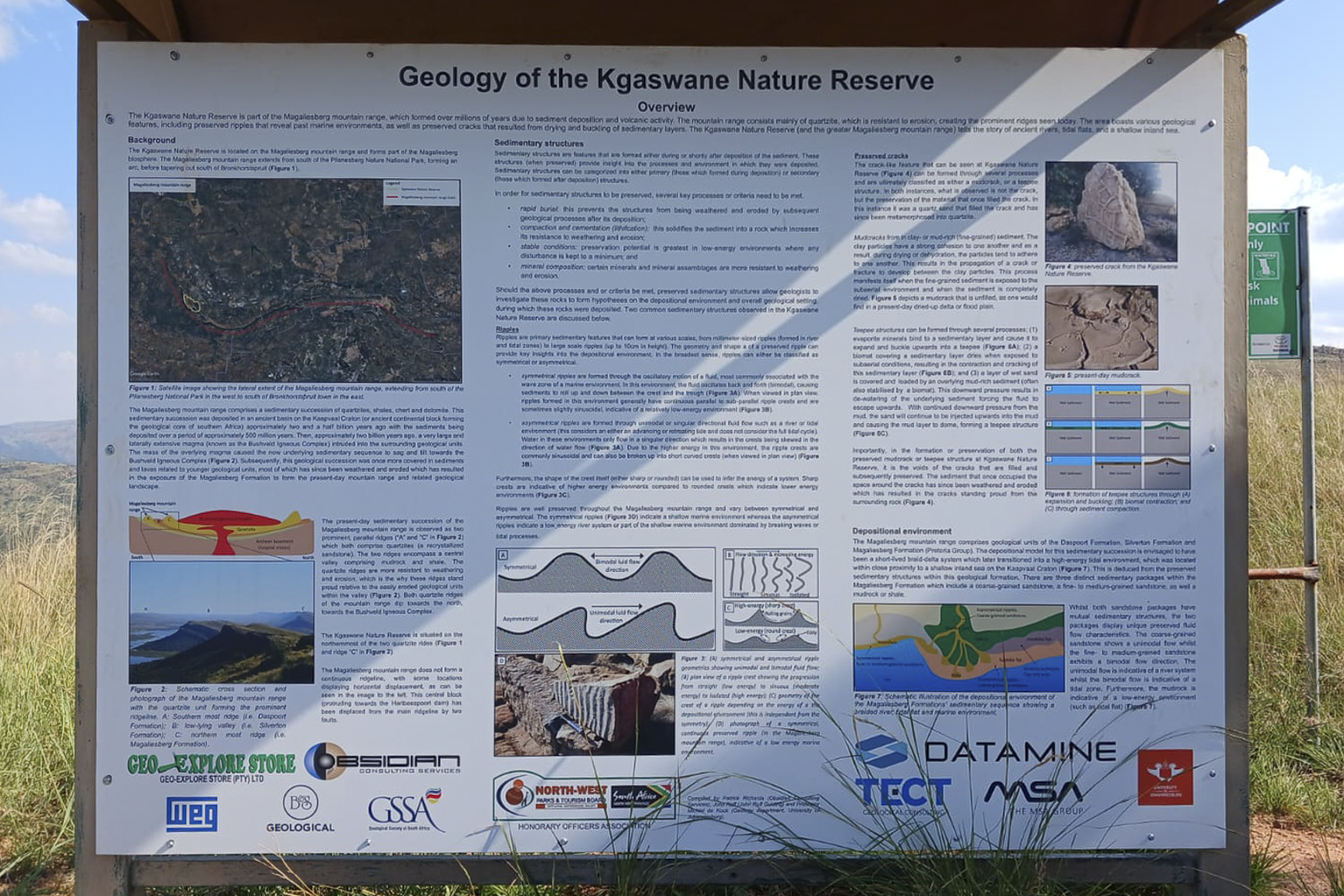
The interesting information immediately transported me back to preparing for my Geology test. However, it was not Geology that awaited us, but the trees test. As we learned 2 weeks ago, identifying trees using the tree key was no mean feat! So there we were, swotting as much as we possibly could. What joy!! By 20H00, the test was over, and the identification component was omitted…
The next morning, we were ready to tackle the grasses module. Our facilitator was Hennie de Beer. An ecologically minded professional with a BTECH in Nature conservation, Hennie has over 15 years of experience in faunal, floral, and biodiversity management. We were privileged to have someone with his passion and enthusiasm take the team through the theory on grasses. Until attending this module, grass was grass, and Lukhanyo’s scientific reference to it as “Justisis Grassistis” summed up my understanding.
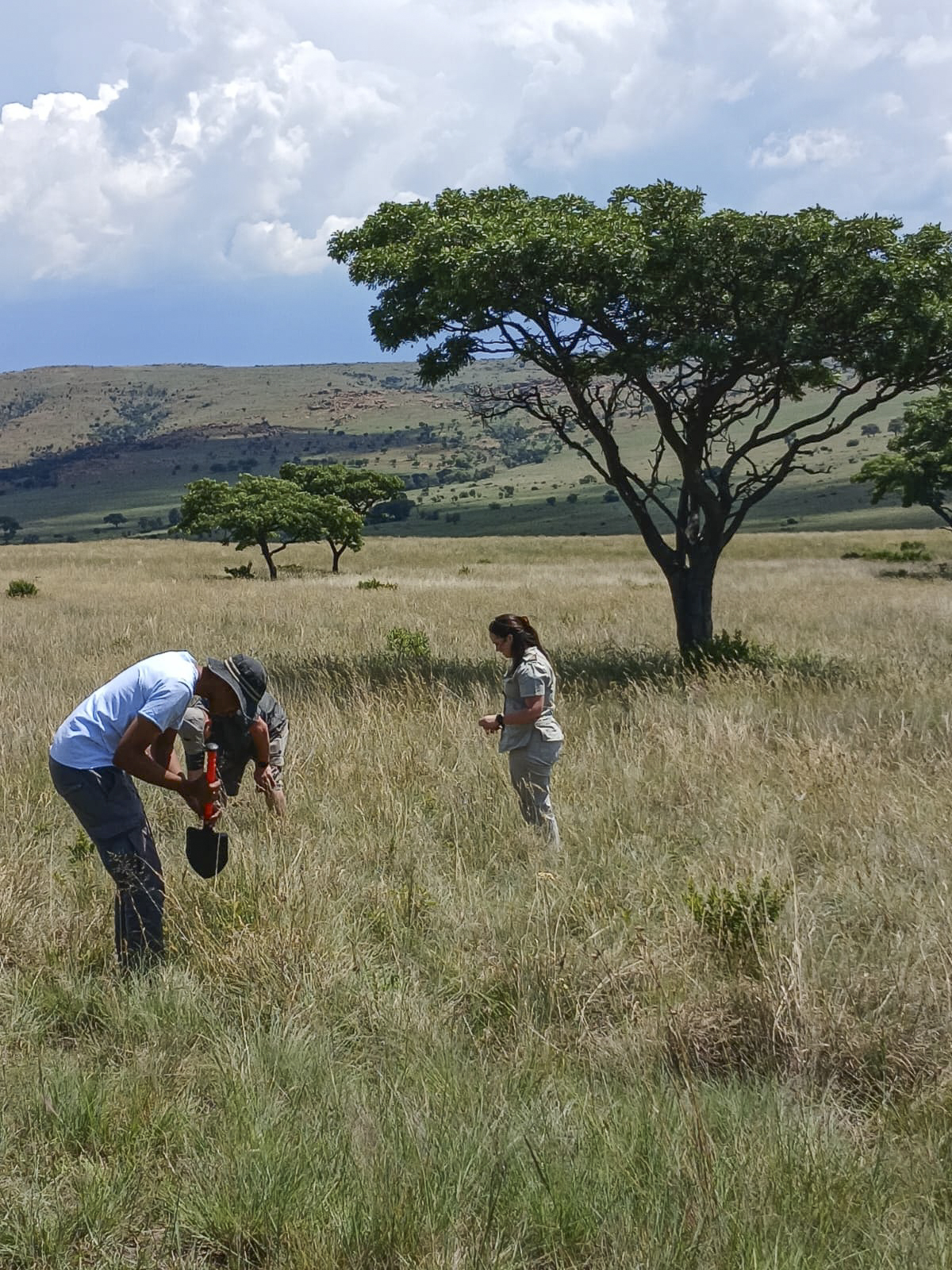
Hennie’s passion was not limited to theory; it became evident during fieldwork. Dodging ticks that lay in wait was part of this experience.
When one looks at the grasslands of Kgaswane, it seems that there are 2 to 3 types of grasses covering kilometers of land.
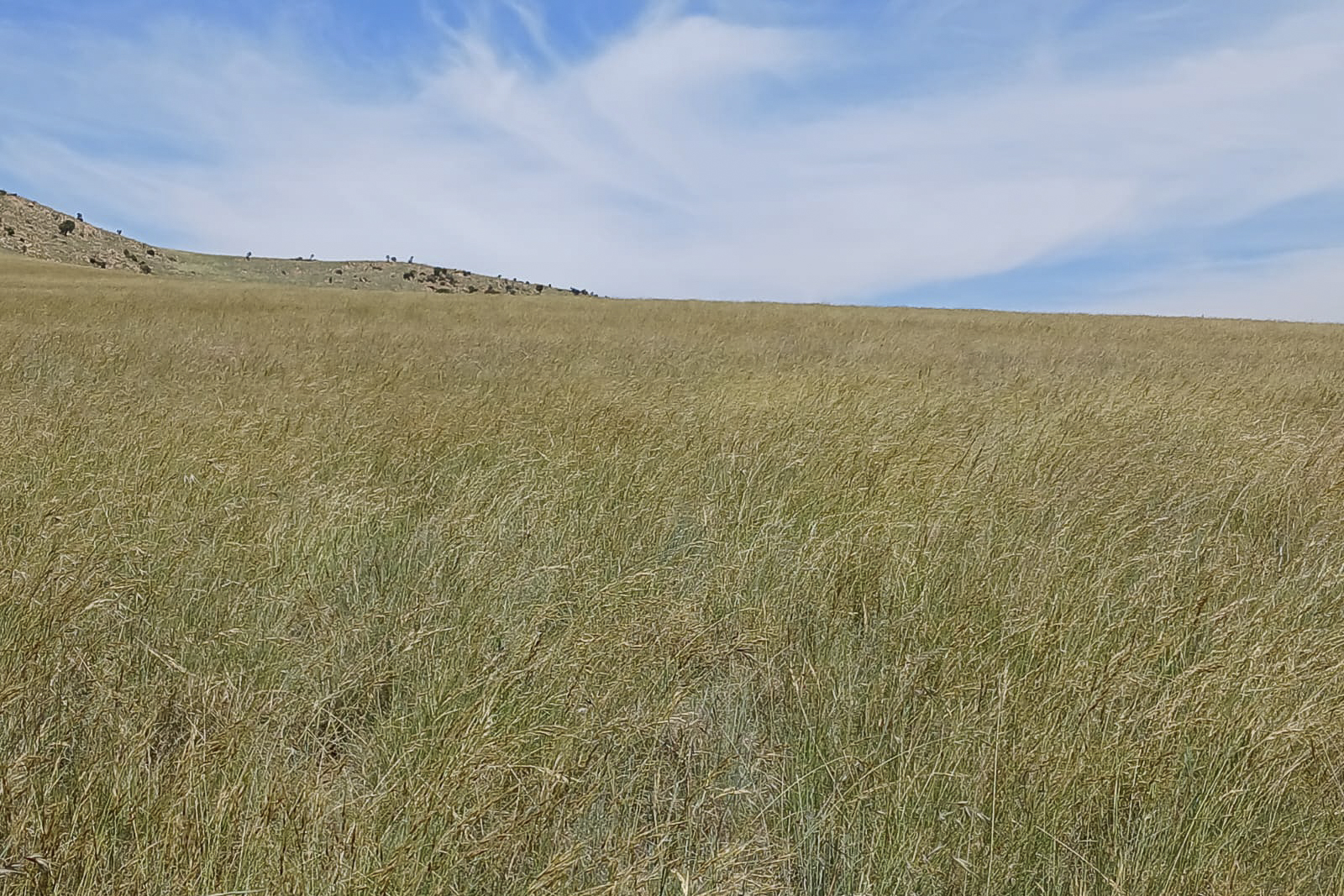
Not so! Within 2 square meters, our team had already found and uprooted 10 different grasses!
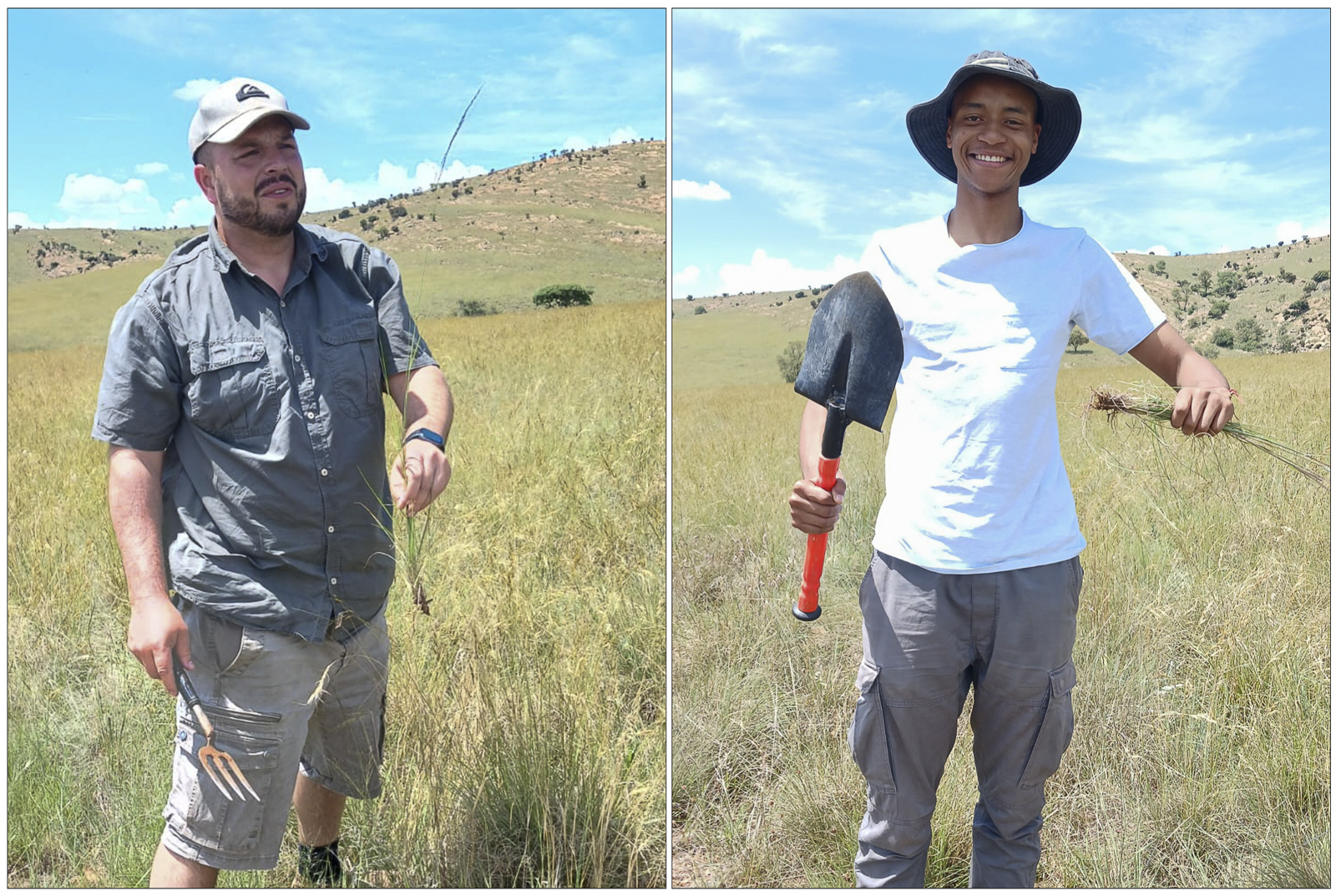
The rest of the day was spent identifying the grasses that the teams had sampled. Megan, our accompanying HO, also showed off her skills and knowledge in leading and supporting the team she accompanied.
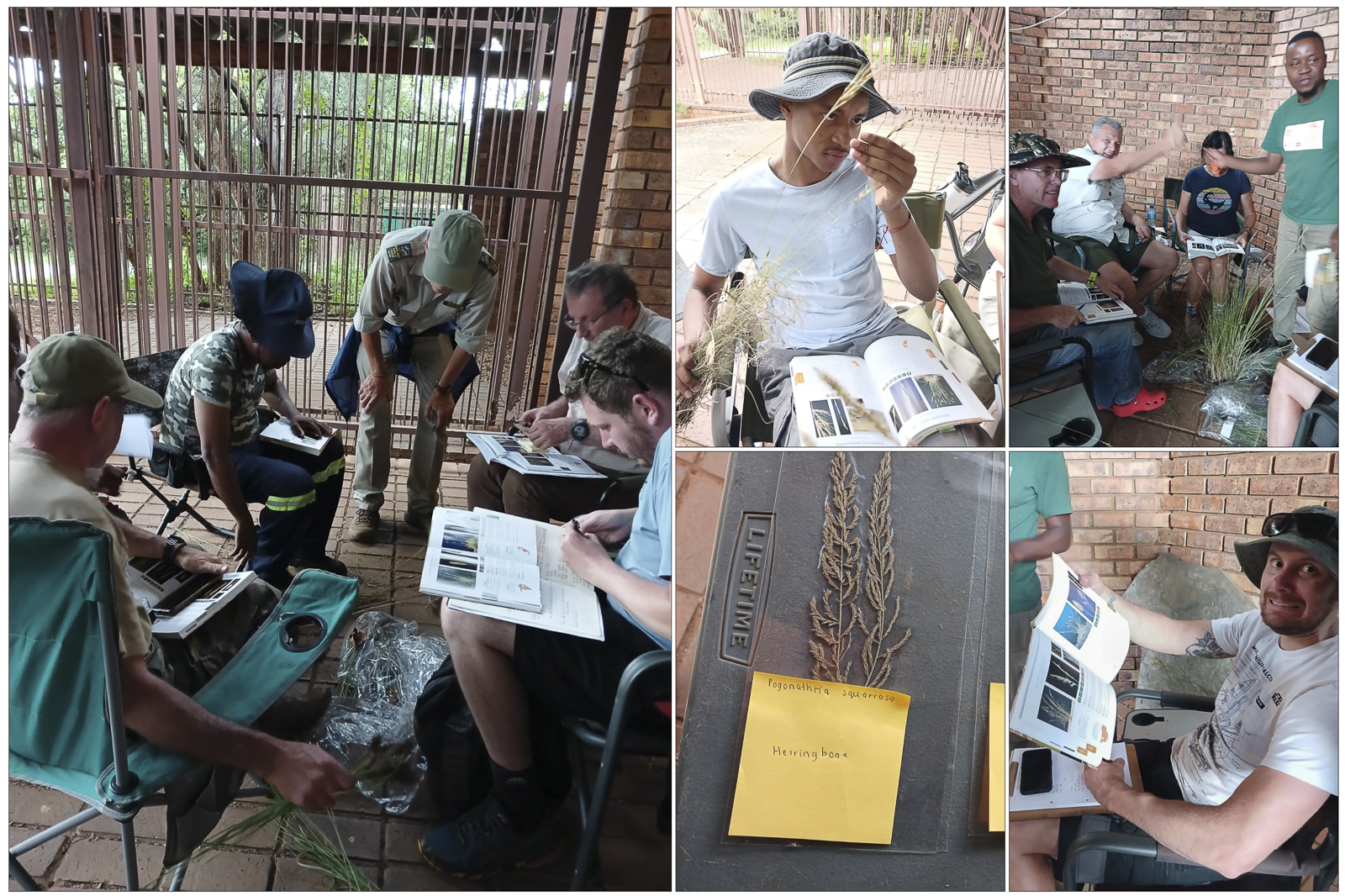
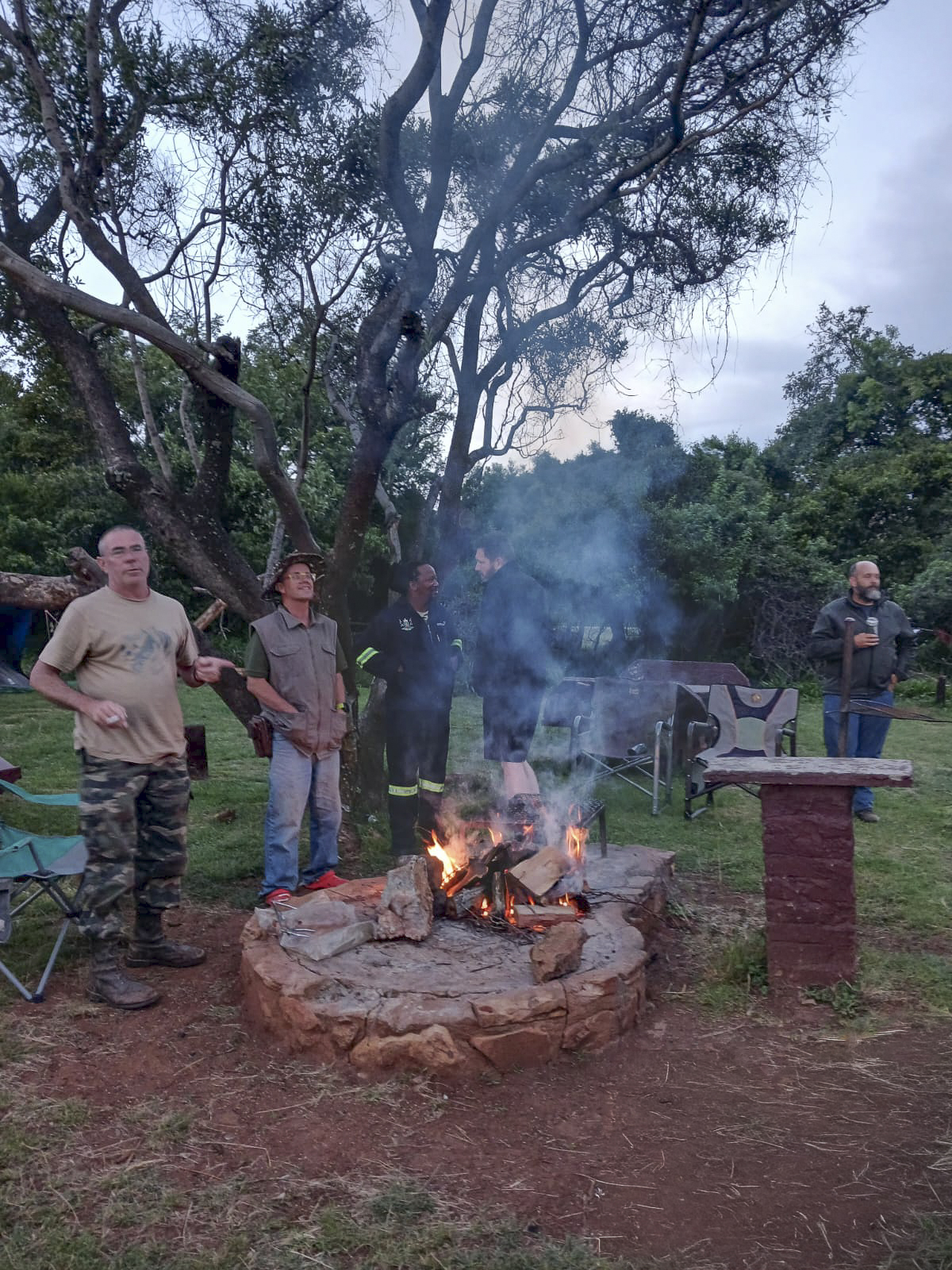
Finally, after what seemed like days, all 3 teams had identified their samples. Saturday concluded with the campsite fire and Braai. We were joined by HO Andre Harmse and his wife, Antoinette.
On Sunday morning, Natalie de Beer led a presentation on Forbes. She shared her husband’s passion and insight on her subject matter. Natalie helped us fall in love with Forbs, known to the common man as “weeds”. Team BM does not use the word “weeds.”
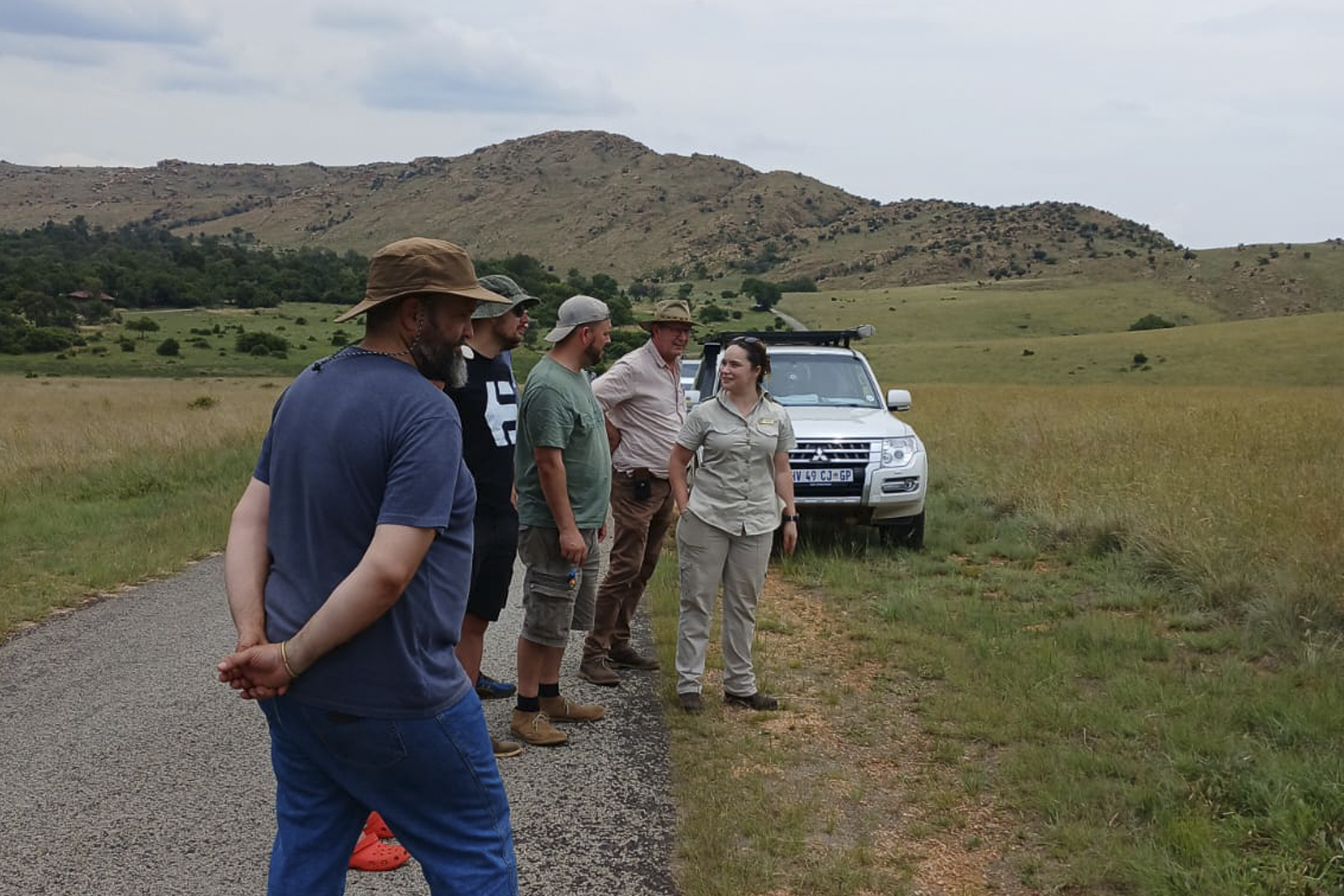
The rest of the morning was spent collecting and identifying additional grass samples. Each of us had the opportunity to give a short presentation on a grass we had identified.
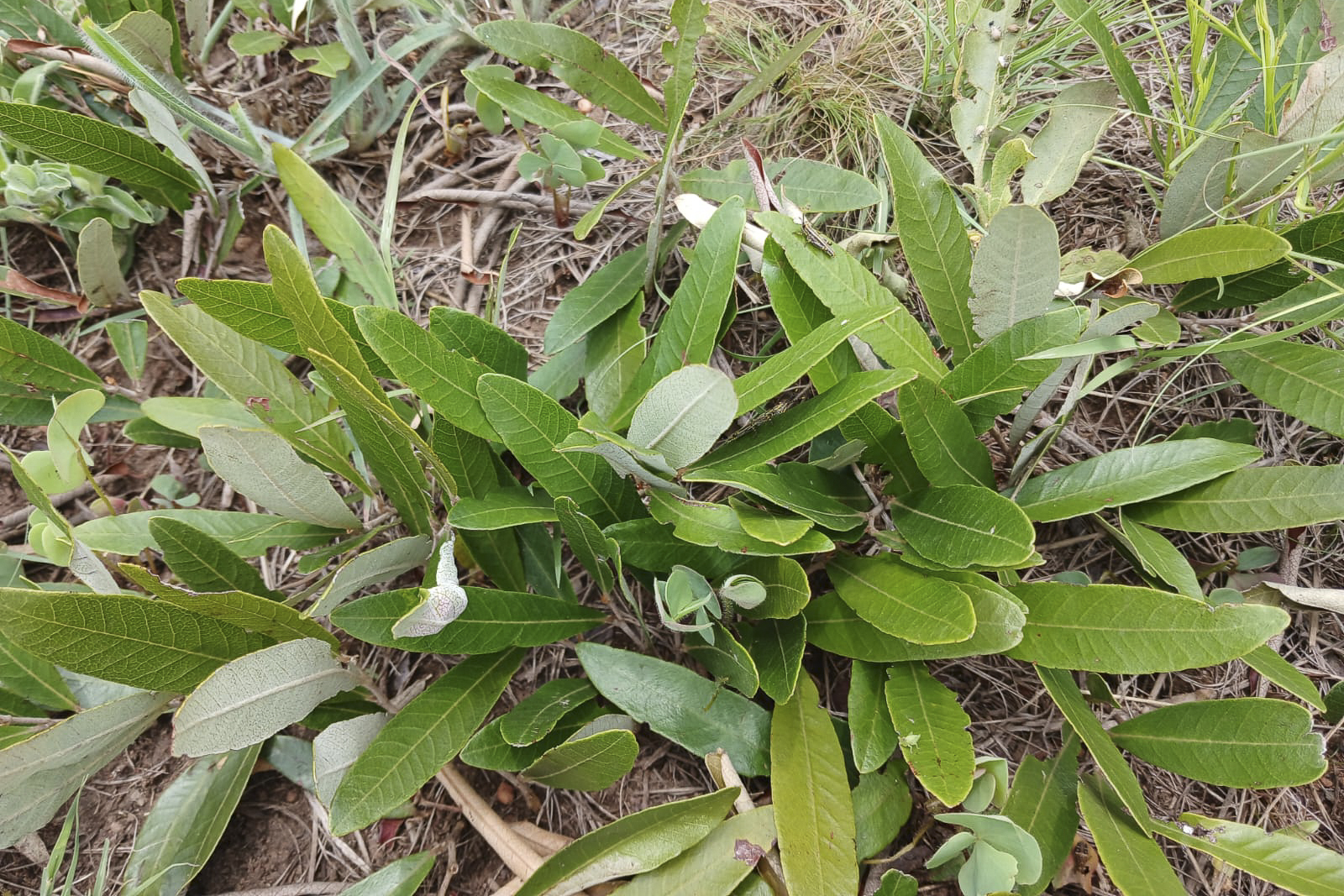
It was an awesome experience to see the leaves of the underground tree, the Parinari capensis on our way out.
All in all, it was a lot of fun while learning.
Thanks to our facilitators, Megan and Bevan, for another successfully planned and executed weekend.
ED’s Note. Thanks for this full report Dianne, and some great photos